

Photo by Destinee Condison
Reggae has always been more than just the riddim; it’s a living archive of time, struggle, celebration, and faith. In our conversation with Naomi Cowan about her album debut Welcome to Paradise that lineage feels tangible. Her album shaped as a love letter to Jamaica, to her parents, and to the music that made her. The record’s title, Welcome To Paradise, a full circle nod to. her hit single Paradise Plum; it’s a thesis about the evolution of love, identity as inheritance, and reggae as a timeless carrier of truth. In a season when quick trends swallow nuance, Naomi chooses depth, roots, and cohesion over algorithms, and the result sounds like memory and motion at once.
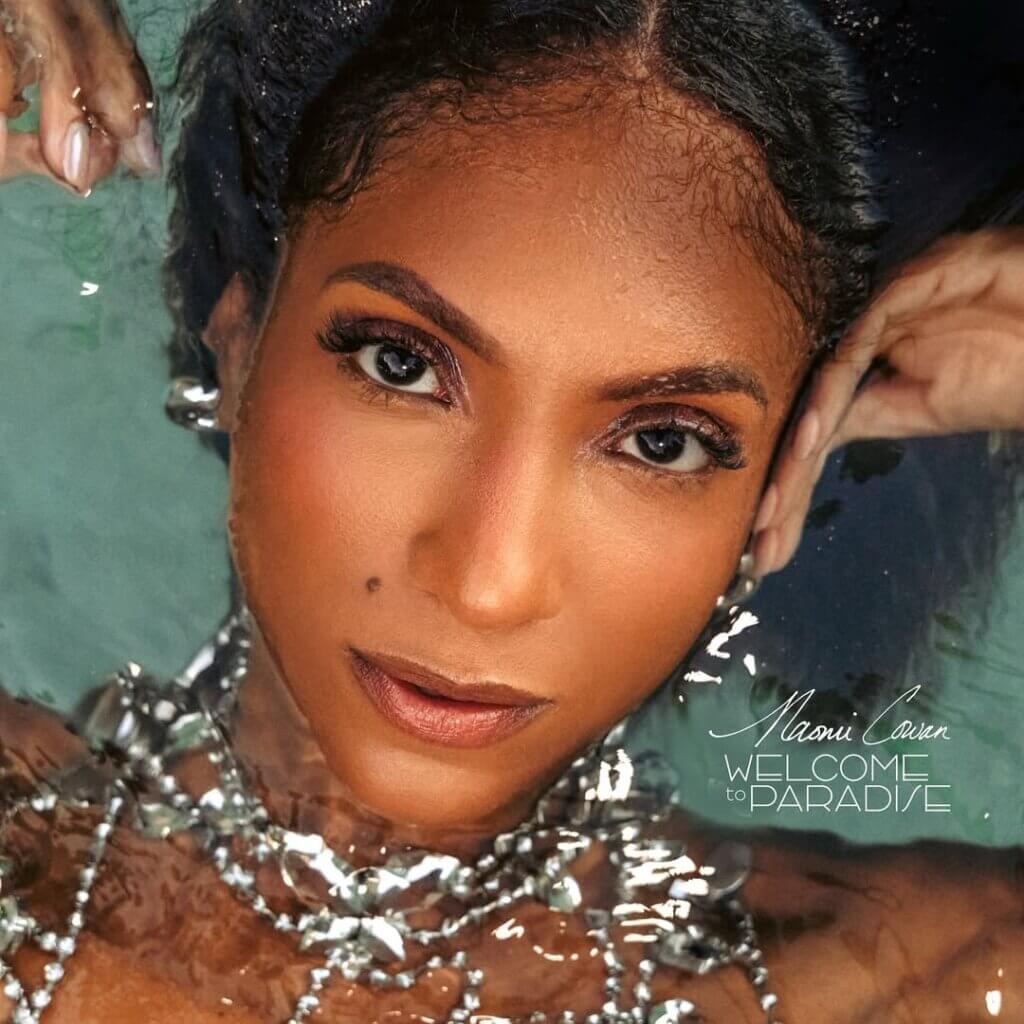
The path to that sound runs through film sets and studio nights. While portraying Marcia Griffiths in the Bob Marley biopic, Naomi doubled down on a simple conviction: make a fully reggae album without compromise. No contorting toward what’s “hot,” no checklist for a party single, just songs that honored the form and her voice within it. Collaboration fused that vision. With producer Toddla T and songwriter-artist Runkus, a natural formed a creative team where ego had no seat, where Naomi’s creative vision stayed central. The sessions were intuitive and unforced; ideas flowed, and the music decided what belonged. You hear vintage textures—lover’s rock warmth, dancehall grit, live-band sensibility—fused with her modern pen. It’s nostalgia that breathes, not cosplay, and the pacing builds a narrative you feel in your chest.
That narrative circles a theme Naomi didn’t plan but couldn’t ignore: love. Not the sugar rush, but partnership as a spiritual discipline. She shares her perspective on how today’s culture has drifted into a quiet war on love, confusing independence with isolation, and forgetting we sharpen each other. The album flips that script. It treats intimacy as a site of growth, asks what two people can build beyond aesthetics, and links romantic love to self-love—because you can only give what you’ve cultivated. These ideas land through melodies that invite touch and lyrics that carry prayer, pain, and humor. It’s why the songs read as double-exposed: a romance with a person overlaps a romance with music itself, each a mirror for the other.
I’d never intended for this to be such a big love album, if I’m being honest. We just kept writing music, and I guess maybe what I was experiencing and what was top of mind for me was love. When I look at my life and the way I was brought into this world, I feel as though I was brought into this world as a byproduct of a very deep love.
Naomi’s family stitches that context. Archival snippets from her mother, Carlene Davis, a singer navigating reggae’s male-dominated spaces decades ago, and nods to her father, Tommy Cowan’s influence, giving the album a lineage you can trace. By threading those voices into interludes, she grounds her art in continuity, showing how personal history becomes community memory. That same communal ethic surfaces in how she speaks about peers like Sevana, Jaz Elise and Lila Iké: authenticity cancels competition. When artists own their lane, collaboration isn’t charity; it’s common sense. The result is a scene where women stand side by side, not toe to toe, and the music gets better for it.
Outside the booth, Hurricane Melissa reframed release plans and priorities. Promoting a project while neighbors rebuild is a tension artists from small nations know well. Naomi chose service first, using stages to direct attention and resources toward relief. Ironically, that restraint amplified the album’s essence. Live audiences met the songs without marketing noise, and the response was visceral—bodies catching riddim, faces softening on certain lines, strangers messaging favorite cuts by name. That’s the dream: a record that grows on human time, not a feed’s tempo. As she plans to ramp touring in the new year, expect the music to stretch even more on stage.
Welcome To Paradise isn’t a destination, it’s about understanding and enjoying the nuanced journey. It shows how a hit can become an identity, how film can sharpen fidelity to genre, how collaboration can secure a woman’s vision without sanding off edge, and how love can be rigorous and brave. It’s reggae made with patience and purpose, unafraid of softness, sure of its roots, and built to outlast the week. In a world that rewards speed, Naomi’s choice to slow the heart rate reads as radical—and that calm is contagious. Press play, then sit with the afterglow long enough to notice what opens: memory, desire, maybe even a door back to each other.

Leave a Reply